


Plynk: Grow as an Investor
4.1591.00 Reviews
App Specs
- Version
- 4.5.0
- Updated On
- License
- Free
- Downloads
- 500,000+
- Developer
- Digital Brokerage Services LLC
- Categories
- Finance
- Platform
- Android
Screenshots
 Analysis by AppCompare
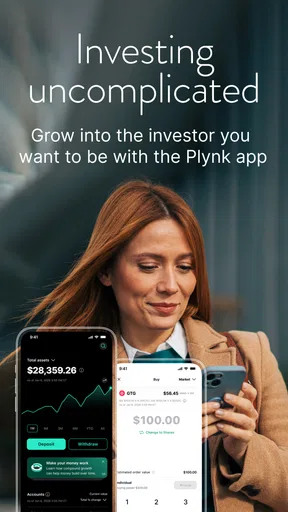
I like finance apps that help me understand what I am doing instead of simply placing buttons in front of me. Plynk: Grow as an Investor takes that approach by putting learning close to the investing experience. It is a free finance app from Digital Brokerage Services LLC, aimed at people who want a clearer starting point rather than a complicated trading workstation.
My main focus while using it was the relationship between its educational material and its investing tools. That is the important idea here: learning is not treated as something completely separate from the moment when you are deciding what to do with your money. For a beginner, that can make investing feel less intimidating. For an experienced investor, it may feel deliberately lightweight.
The app has an average rating of 4.1 from around 4.1 thousand ratings, with roughly 590 written reviews, and it has passed 500 thousand installs. Those numbers suggest that it has found a meaningful audience, although they do not make it the right choice for every type of investor. I would judge it mainly by how well its simple, education-led approach fits your habits.
Learning beside the investing decision
The strongest capability is the way Plynk connects basic investing education with the practical process of getting started. Rather than assuming that every user already understands financial vocabulary, it is designed to make the path feel more approachable. I found that useful because many newcomers do not need a wall of market charts first; they need enough context to know what a decision means.
This matters in a very ordinary situation. Imagine that I have some money left after paying bills and want to begin investing, but I am unsure about the difference between buying a single company and choosing a broader investment. A traditional brokerage app may show me a search box and a buy button immediately. Plynk’s more approachable style is better suited to the moment before that decision, when I am still forming a basic understanding.
The real benefit is reduced hesitation, not automatic investment success. The app can make the first steps easier to follow, but it cannot remove market risk or decide whether an investment suits my finances. I still need to consider my goals, emergency savings, time horizon, and comfort with losses. That distinction is important because friendly presentation can otherwise create more confidence than a beginner should have.
I also appreciate that the app is not presented as a professional terminal. Its purpose is closer to guided entry into investing than to intensive market analysis. That makes the experience less overwhelming, but it also means I would not choose it as my only tool for detailed research, complex portfolio management, or highly active trading.
Worth Reading Before You Choose

EA SPORTS FC Mobile 26 Is a Bigger Football Game, but It Takes Time

Flipboard Shows What News Apps Must Do Beyond the Feed

Switching to Android Auto Means Rethinking Your Driving Routine

Google Calendar Makes a Crowded Week Easier to Manage

Ludo King Makes the Most of the Minutes Between Plans

Baby Panda World Brings Quick Play to Modern Phones, but Its Game Library Feels Busy
What the experience feels like for a new investor
When I approach Plynk as a beginner, I would use the educational side before making any investment decision. I would first identify the terms I do not understand, then compare that explanation with my own reason for investing. This simple pause is one of the app’s most useful practical effects: it encourages me to turn a vague impulse into a more deliberate plan.
A good workflow is to open the app during a calm moment, not while reacting to a dramatic market move. I can review a concept, write down what I expect the investment to do, and only then decide whether I want to continue. That habit is more valuable than rushing through a polished interface. Plynk is most helpful when I use its clarity as a prompt for better thinking rather than as permission to act quickly.
Another useful habit is to treat each educational explanation as a starting point. If a subject affects a large part of my savings, I would not stop at a short in-app explanation. I would look for additional trustworthy information and make sure I understand the downside as well as the possible return. This is an important trade-off with beginner-friendly apps: simplicity helps me begin, but important financial choices still deserve deeper checking.
The app’s Everyone content rating also makes its positioning clear. It is intended to be broadly approachable rather than built around an adult-only specialist audience. That does not mean every young or inexperienced user should invest immediately. A welcoming presentation is helpful, but financial maturity and supervision still matter when real money is involved.
A realistic everyday use case
Suppose I receive a regular paycheck and want to build an investing habit without spending an evening studying complicated charts. I could use Plynk as a short weekly checkpoint. I would review one idea, consider whether my planned contribution fits my budget, and avoid changing direction simply because the market had a noisy day.
In that scenario, the app’s value comes from routine. It gives me a place to connect learning with action, while keeping the process less intimidating than a full-featured brokerage platform. I would still keep a separate budget, because an investing app should not be used to decide how much I can afford. The useful division of responsibility is simple: my budget determines the amount, and the app helps me understand the investing step.
This workflow may also help someone who has opened a brokerage account before but never used it consistently. The obstacle is not always a lack of available investments; often it is uncertainty. By making education part of the experience, Plynk can reduce the feeling that I am expected to know everything before I start.
However, I would not use it as a substitute for a financial plan. If I am saving for a near-term expense, carrying expensive debt, or unsure whether I have enough cash for emergencies, the correct next step may be financial organization rather than investing. Plynk can support a thoughtful investor, but it cannot turn an unsuitable financial situation into a suitable one.
Where it compares well with usual alternatives
Compared with a standard bank investing area, Plynk feels more focused on helping a newcomer cross the knowledge gap. Many conventional platforms are efficient once I know what I want, but they can leave me alone with unfamiliar terms. Plynk’s advantage is the attempt to make the explanation part of the journey instead of sending me elsewhere before I can make sense of the screen.
Compared with a full-service brokerage app, it is less attractive for someone who wants a dense research environment or a broad set of advanced controls. Those platforms usually make more sense when I already know how I evaluate investments and want detailed information in one place. Plynk is better when my main question is, “What does this mean, and how should I think about it?”
It also differs from a pure budgeting app. A budgeting tool helps me track spending and plan cash flow, while Plynk is designed around investing and investor education. I would not replace my budget with it. In fact, the two types of apps can work together: budgeting tells me what I can reasonably set aside, while Plynk helps me approach the investment decision with more understanding.
That comparison reveals a useful trade-off. A simpler app can be easier to return to, especially when complexity has previously caused me to stop using investing tools. But simplicity can also leave me wanting more when my questions become specialized. I would start with Plynk if education is the main barrier, then reassess later if my needs grow beyond its intended level.
Trade-offs I noticed before recommending it
The first limitation is that an intuitive experience can make investing look more straightforward than it really is. Clear explanations are valuable, but they should not be mistaken for personalized advice. I would be cautious about making a decision simply because the app presents it neatly. The responsibility for checking suitability remains with me.
The second limitation is depth. Someone who wants to compare detailed company information, study advanced portfolio behavior, or manage a complicated strategy may outgrow the app. That is not necessarily a defect; it is a sign that Plynk is aimed at a different stage of the investing journey. I would rather see a focused beginner experience than a cluttered imitation of a professional terminal.
The third is that education requires active attention. I cannot expect the app to improve my decisions if I skip the explanations and treat it like a shortcut to buying investments. The best results come when I slow down, question my assumptions, and use what I learn to create a repeatable process.
I would also keep my expectations realistic about returns. No interface, lesson, or investing workflow can guarantee a profit. If I am looking for certainty, this is not the right category of product. The app may improve my understanding, but the market can still move against me, and I need to be comfortable with that before committing money.
For people concerned about device compatibility, the current version is 4.4.2 and requires iOS or Android 12 or later. That is worth checking before trying to install it, particularly if I use an older phone. The app is free to download, which lowers the barrier to exploring its approach, but free access should not be confused with risk-free investing or with the absence of account-related considerations.
Plynk was released on April 14, 2021, and its continued presence in the finance category gives it a more established feel than a brand-new experiment. Still, I would update the app through the normal store process and review every on-screen detail carefully before connecting financial information or making an investment decision. Good security habits are part of using any finance app, regardless of how easy its interface feels.
Who gains the most from this approach
I think Plynk is most useful for a first-time investor who wants guidance without being buried in specialist language. It may also suit someone who has delayed investing because conventional brokerage screens felt too technical. The combination of a free entry point and an education-centered design makes it easy to test whether this style helps me build confidence responsibly.
It can be especially practical for a person who learns by doing, provided that “doing” is paced carefully. Reading about investing in isolation can feel abstract. Seeing an explanation near the related action may help the idea stick. I would use that connection to form questions and habits, not to make impulsive purchases.
Someone with a modest amount to invest may also appreciate the lower psychological barrier. The important point is not that a small balance makes risk disappear; it is that a less intimidating starting environment can encourage better preparation. I would still avoid investing money needed for rent, bills, or urgent expenses.
On the other hand, I would steer an experienced trader toward a more advanced brokerage platform. If I need extensive research, complex order handling, or a highly detailed portfolio view, Plynk’s approachable focus may feel restrictive. I would also skip it if I am searching for a budgeting-first app, a retirement-planning service, or personalized professional advice. Those needs call for different tools.
Families should think carefully before treating its Everyone rating as a recommendation for unsupervised investing by a child. The accessible presentation can support financial education, but real-money decisions require appropriate adult judgment. I would use the app as a conversation starter about risk and long-term thinking rather than as a replacement for guidance.
My practical way to start
If I were recommending it to a friend, I would suggest beginning with a learning session rather than immediately searching for an investment. I would note which terms are unfamiliar, decide what goal I am investing toward, and check my budget outside the app. Only after those steps would I consider using the investing tools.
I would then create a simple personal rule: do not change my plan because of a single alarming headline or an exciting price movement. I would revisit the reason for investing, review what I understand, and seek more information when the decision feels unclear. This is where Plynk’s clarity can have a meaningful effect: it can help me pause long enough to make the process intentional.
My final view is favorable, with a clear boundary. Plynk is a useful starting point for people who need investing explained in a more approachable way, and its education-led capability gives it a distinct purpose among finance apps. I would recommend it to a beginner who wants to learn while getting familiar with investing, especially if complicated alternatives have been discouraging.
I would not present it as a complete solution for every financial goal or every level of experience. Advanced investors may need more depth, and beginners still need budgeting discipline and independent judgment. Used within those limits, Plynk: Grow as an Investor does something worthwhile: it makes the first steps feel clearer without pretending that investing itself is simple or risk-free.
Pros
- Simple interface makes investing approachable for beginners.
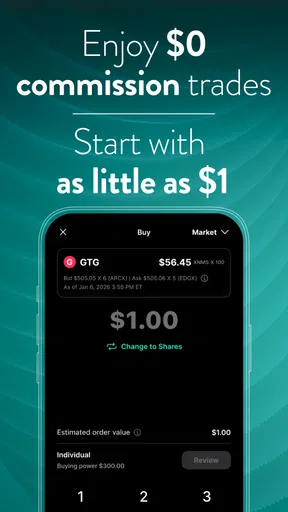
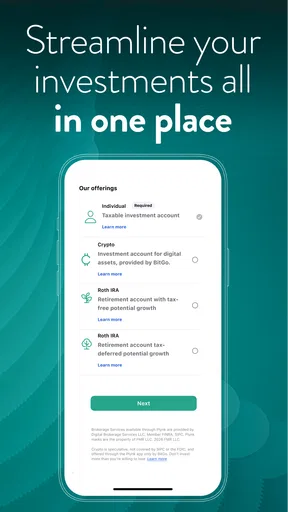
- Fractional shares let users invest with relatively small amounts.
- Educational content helps explain basic investing concepts.
- Automated features can make regular investing more convenient.
- Supports diversified portfolios across different investment options.
Cons
- Investment options may be more limited than on larger broker platforms.
- Market investments can lose value
- including the money you deposit.
- Some features or account types may depend on your location.
- Fees or spreads can reduce returns on smaller investments.
- Advanced trading tools and research may feel insufficient for experts.
FAQs for Plynk: Grow as an Investor
What is Plynk: Grow as an Investor?
Plynk: Grow as an Investor is an investing app designed to make financial markets easier to understand for beginners. It generally combines educational explanations with access to investment products, allowing users to learn about companies, funds, and market concepts while managing their portfolio from a mobile device. Before downloading, check whether the service is available in your country and which investment products and account features are currently supported.
Is Plynk suitable for complete beginners?
The app is primarily aimed at people who are new to investing or want a simpler way to start building long-term financial habits. Its educational style and straightforward presentation can help explain unfamiliar terms and investment choices. However, beginner-friendly design does not eliminate investment risk. Users should still understand what they are buying, review the fees and disclosures, and avoid investing money they may need in the short term.
What can I invest in through Plynk?
The available investments may include selected stocks, exchange-traded funds, funds, or other supported products, depending on the user’s location and the current terms of the service. The exact selection can change, so prospective users should review the official product list before opening an account. It is also important to confirm whether fractional investing, recurring investments, dividend handling, and portfolio diversification options are available.
Are there fees or other costs when using Plynk?
Plynk may apply different charges depending on the account, transaction, currency conversion, or investment service being used. Some features can appear free while other costs are included in spreads, fund expenses, or third-party charges. Before signing up, read the current pricing information carefully and check for subscription fees, withdrawal costs, foreign-exchange charges, and any minimum balance requirements that could affect smaller portfolios.
Is my money safe when using Plynk?
Investment apps normally use regulated partners, account verification, and security measures to protect customer information and assets, but protection is not the same as a guarantee against investment losses. The value of stocks and funds can rise or fall, and compensation rules vary by jurisdiction and product. Before depositing money, verify the provider’s regulatory status, safeguarding arrangements, applicable investor protection, and withdrawal conditions.


